Fermented food is a big part of everyday eating in Sikkim, and most of it is easy to try. Gundruk is fermented and dried leafy greens. Sinki is the same thing made from radish roots. Kinema is sticky fermented soybean. Chhurpi is a cheese-like milk product, soft or rock-hard. Kodo ko jaanr (also called chyang or chhaang) is a mildly alcoholic drink made from fermented finger millet.
These aren't niche dishes. A 2010 study by food microbiologist Jyoti Prakash Tamang of Sikkim University, with researchers from Japan's Research Institute for Humanity and Nature, put daily fermented food intake in Sikkim, alcoholic drinks excluded, at 167 g per person, about 13% of daily meals. Below is what each food is, how it is traditionally made, and how to try it when you visit.
Why Sikkim ferments so much
Many of these foods began as a way to store the harvest. The Tamang study notes that sun-drying freshly fermented gundruk and sinki lets them keep for several months without a fridge. That matters most in the long monsoon, when fresh vegetables are hard to find in the hills. Dried gundruk and sinki also weigh much less than the fresh vegetables, so they were easy to carry on long walks through the mountains.
The same paper lists more than 40 fermented foods and drinks for Sikkim alone. They include vegetables, soybean, black gram, milk products, meat and fish products, starter cakes and cereal drinks. Sikkim's food reflects its communities. A Sikkim Express profile of Dr Tamang describes the region's food culture as a blend of Nepali, Lepcha, Bhutia and Tibetan cuisines.
Gundruk: fermented leafy greens
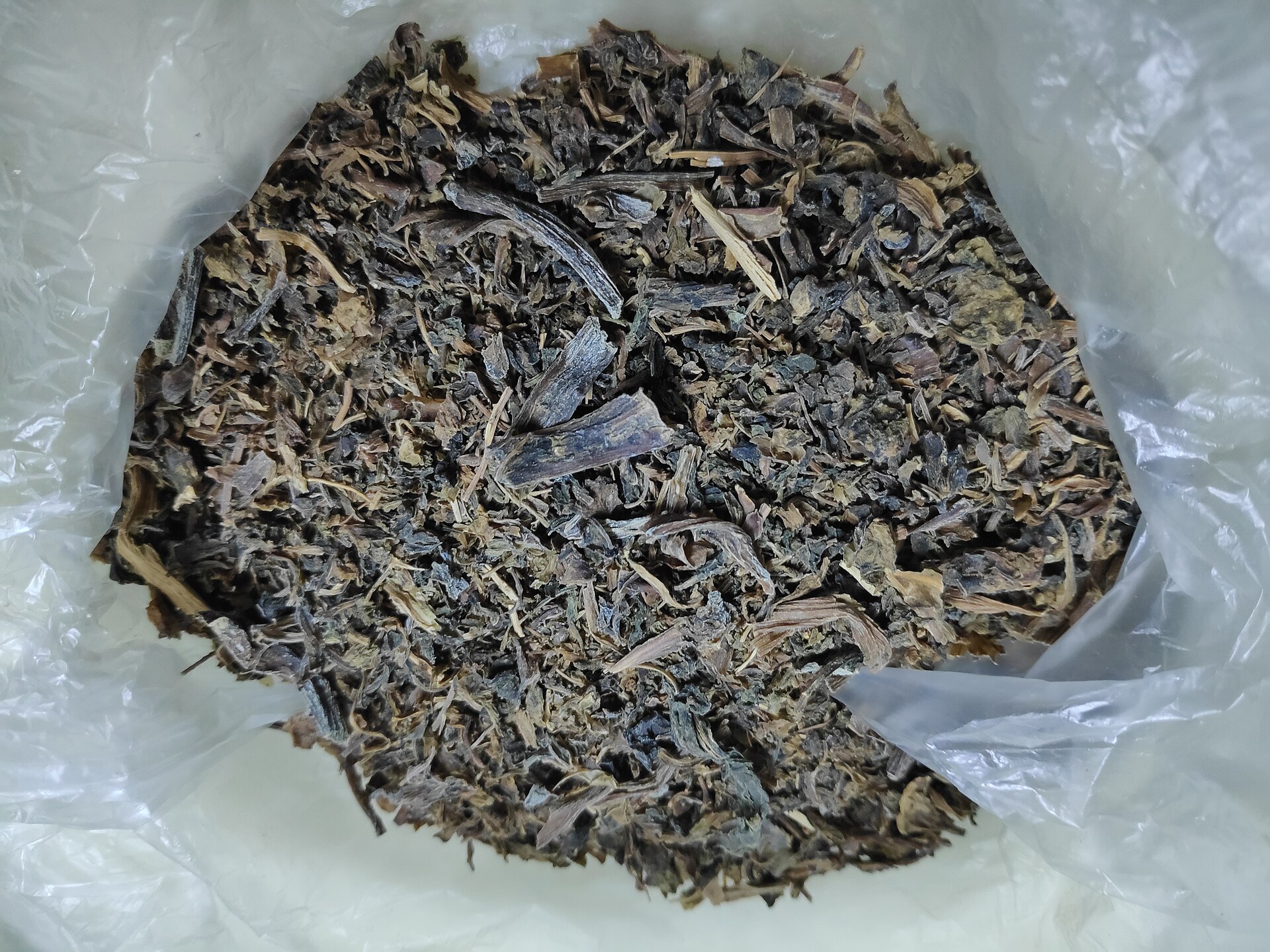
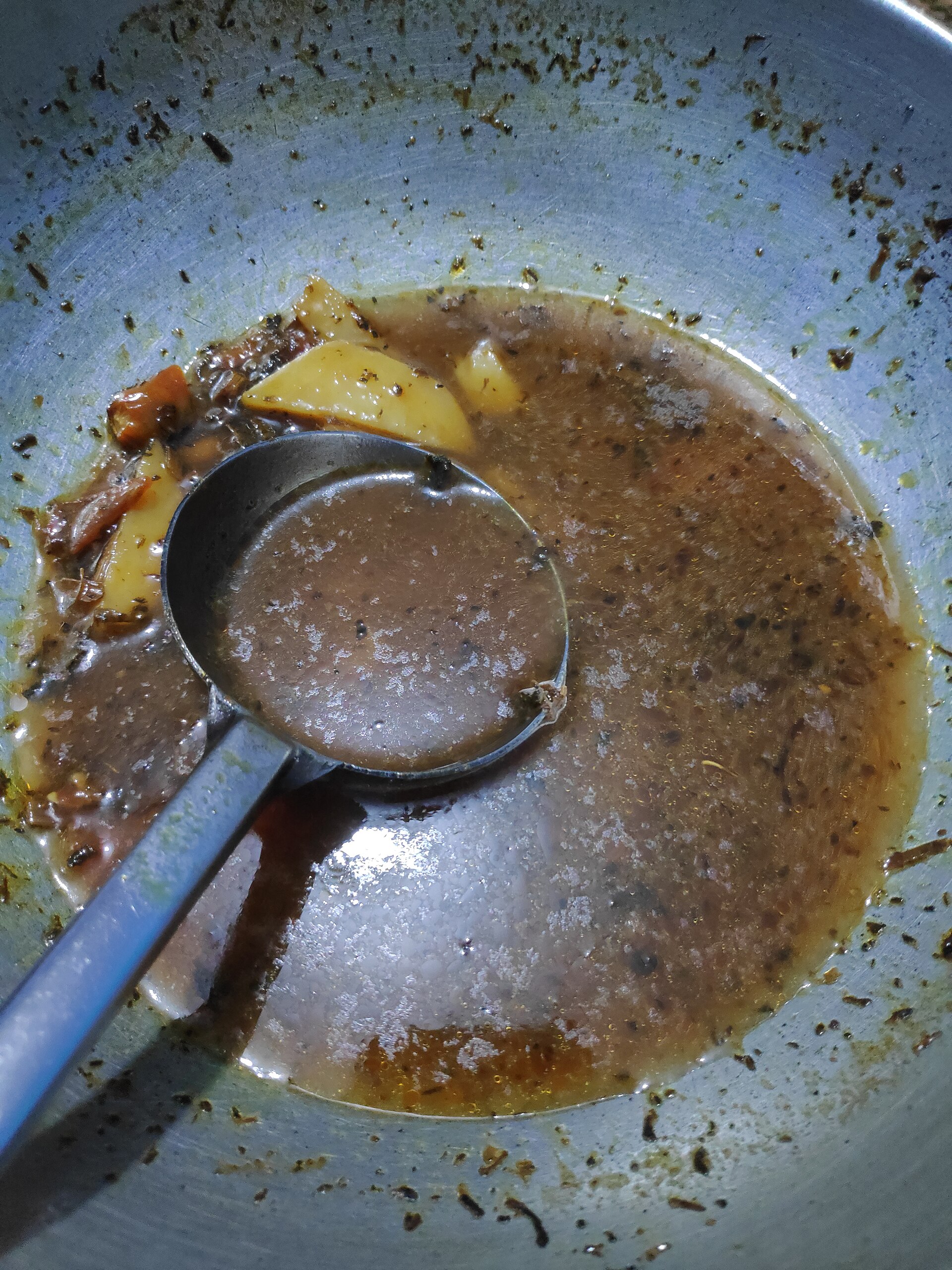
Gundruk is probably the best known. It is usually made from leafy mustard (rayo ko saag), and also from radish or cauliflower leaves. An article on Sahapedia by Sikkim University anthropology scholar Ayushi Nirola describes one traditional method. The leaves are washed, cut and wilted in the sun, then packed tightly and buried in a pit warmed with fire. They ferment for about a month and are then sun-dried. A 2024 study in Frontiers in Sustainable Food Systems notes three things: gundruk is made without salt, it is usually made in winter when greens are plentiful, and it keeps for a year or more if stored dry.
The taste is sour and earthy. It is most often eaten as gundruk ko jhol (a thin soup with rice) or as a pickle or salad with onion and chilli. The same 2024 study tested gundruk samples from the hills, including one bought at Lal Bazar in Sikkim. The main bacteria it found were lactic acid bacteria: Lactobacillus, Pediococcus, Leuconostoc and Enterococcus.
Sinki: fermented radish root
Sinki is made the same way as gundruk, but with radish taproots instead of leaves. It is cut, fermented, then dried into chewy, sour pieces. Like gundruk it goes into soups and pickles. The Tamang study notes that both are traditionally eaten as appetisers and are believed locally to help digestion.
Kinema: Sikkim's sticky soybean
Kinema is boiled soybean left to ferment until it becomes sticky and strong-smelling. The Tamang study compares it to Japanese natto. It is usually cooked as a curry, fried or soupy, and eaten with rice. Not every household eats it. The Sahapedia article notes that some upper-caste Nepali households, especially in rural areas, traditionally don't eat kinema. The Sikkim Express profile reports that Dr Tamang filed a patent on an optimised way of producing kinema. A Sikkim University research project listed on the Government of India's science portal is working on controlled fermentation of kinema.
Chhurpi: soft and hard
Chhurpi comes in two very different forms:
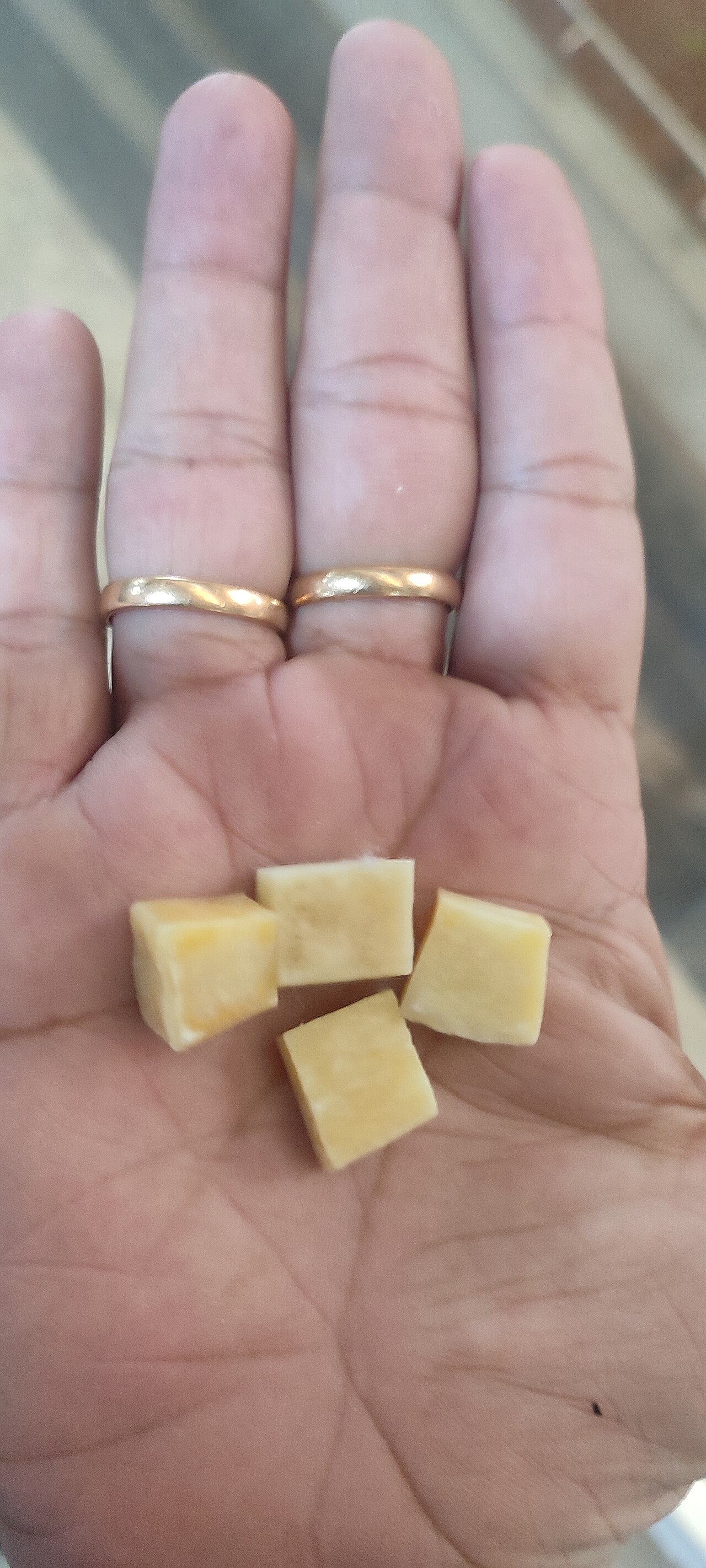
- Soft chhurpi is made from cow's milk. After curd is churned for butter, the remaining buttermilk (mohi) is boiled and the solids are separated. It is soft and crumbly and goes into curries, pickles and soups. The Sahapedia article notes that Bhutia households often ferment it for a few days, while other communities eat it fresh.
- Hard chhurpi is traditionally made from yak milk and dried into very hard blocks. It is chewed slowly, almost like gum, at high altitudes, according to the Tamang study.
Chhurpi soup is a common winter dish. If you try hard chhurpi, chew it slowly; it's hard enough to be tough on teeth.
Mesu, khalpi and other pickles
Sikkim's pickles include fermented ones. Mesu is fermented young bamboo shoot (the word is Limbu; in Nepali the shoots are tama). It is sour and is usually eaten as a pickle. Khalpi is a sour fermented cucumber pickle. Both appear in the Tamang study's list of Sikkim's fermented foods.
Jaanr, chhaang and marcha
Many communities in Sikkim make mild fermented drinks from grains. The most common is kodo ko jaanr, also called chyang or chhaang, made from finger millet. Cooked millet is mixed with marcha, a dry starter cake made from rice, wild herbs and spices, and left to ferment. The Sahapedia article notes that the Bhutia often drink it as tongba, from a bamboo container. The Lepcha call their millet drink chi. Other versions use rice (bhaati jaanr), maize, wheat, barley or buckwheat.
These drinks also matter in ritual. The Tamang study records that the Lepcha millet drink is part of ceremonies such as Namsoong, and that Limboo rituals use kodo ko jaanr served in a toongbaa. It also says jaanr is traditionally given to new mothers and the sick to help them regain strength. That is a traditional practice, not medical advice.
Are fermented foods good for you?
Researchers have found probiotic bacteria and other useful microbes in many of these foods. But the 2010 Tamang paper is careful to say that local beliefs about their health benefits have not yet been clinically tested. A current Sikkim University project, listed on the Government of India's science portal, also notes that the Integrated Disease Surveillance Programme has recorded food poisoning and occasional outbreaks in the Himalayan region linked to fermented food. That is one reason the researchers are developing controlled, hygienic fermentation methods. If you have a health condition or are pregnant, ask your doctor, especially about jaanr, which contains alcohol.
Before you try them
- Where to find them: Look in local markets. The Tamang study notes that many of these products are sold by women in local markets, and it shows fermented bamboo shoot on sale in Gangtok's bazaar. Homestays and local eateries are the easiest places to try cooked dishes like gundruk ko jhol.
- Start small: Gundruk and sinki are sour and kinema has a strong smell. Try a small portion with rice first.
- Buy fresh from busy stalls: Choose dry, clean-looking gundruk and sinki, and avoid anything damp or mouldy.
- Jaanr is alcohol: It's mild, but don't drink it if you are driving on mountain roads. Check the road status and book a local cab instead.
- Ask first at homes: Some foods, like jaanr and kinema, are tied to particular communities and rituals. If you're a guest, follow your host's lead.
Planning your days around food markets and village stays? Our trip planner can help you fit them in.
Sources
- Cultural Adaptation of the Himalayan Ethnic Foods with Special Reference to Sikkim, Arunachal Pradesh and Ladakh (Tamang, Okumiya & Kosaka, Himalayan Study Monographs No. 11, 2010)
- Sikkim Express: Dr Jyoti Prakash Tamang, Leading Food Scientist in the Eastern Himalayan Region
- India Science, Technology & Innovation Portal: Technological innovations for development of functional foods from ethnic fermented foods of the Indian Himalayas
- Frontiers in Sustainable Food Systems (2024): Investigating bacterial diversity involved in the production of vegetable-based ethnic fermented food of North Bengal
- Sahapedia: Sikkim's Flavourful Kitchen: Grains on the Plate (Ayushi Nirola)
- The Sentinel: Famous Food Of Sikkim: Mouth Watering Delicacies That You Need To Try
Photo credits
- Cover photo: Gaurav_Dhwaj_Khadka / Wikimedia Commons, CC BY-SA 4.0 (source)
- Photo 1: Gaurav Dhwaj Khadka / Wikimedia Commons, CC BY-SA 4.0 (source)
- Photo 2: Kasyap / Wikimedia Commons, CC BY-SA 4.0 (source)


