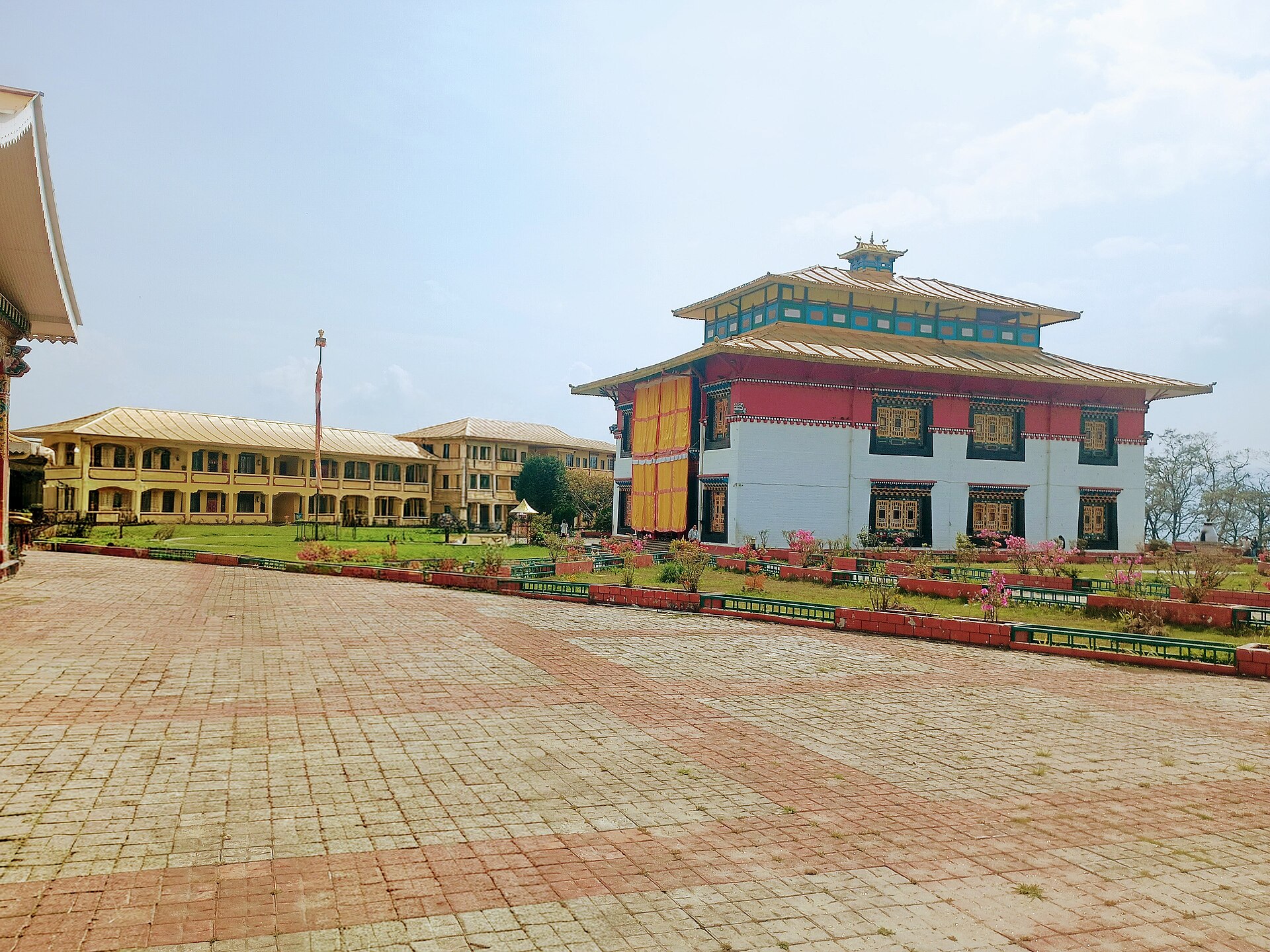
Kagyed Dance, also called Kagyed Chaam, is a Buddhist masked-dance festival held in Sikkim every December. Monks in masks and brocade costumes dance to drums and trumpets in monastery courtyards, and the festival ends with the burning of effigies, a symbol of evil being destroyed before the new year.
It falls on the 28th and 29th days of the 10th month of the Tibetan calendar, which lands in December, and it leads straight into Losoong, the Sikkimese New Year. If you are in Gangtok in December, it is one of the most striking things you can see, and it costs nothing to watch.
What Kagyed Dance means
According to news reports of the 2024 festival, the dances are dedicated to eight tantric deities known collectively as the Kagyed. Lamas pray to them to protect people from evil spirits and to bring good health and good fortune in the coming year. Those who watch are traditionally believed to receive these blessings too.
The dances act out stories from Buddhist tradition, especially the life and powers of Guru Padmasambhava (Guru Rinpoche), who is closely tied to Sikkim's Buddhist history. The masks show deities, humans and animals, and the dancers often carry ceremonial swords. The overall message is simple and easy to follow even if you don't know the stories: good overcomes evil.
The Government of Sikkim's own page on the state's art and culture describes chaams in general as mask dances about overcoming evil, performed on ceremonial and festive occasions, with the New Year chaams meant to drive evil away. It notes that a chaam is announced from inside the gompa (monastery) and that its principal figure is Mahakala, whose presence invokes the other protective deities.
When is Kagyed Dance in 2026?
Because it follows the Tibetan lunar calendar, the English date moves every year, though it always falls in December. For example, Kagyed Dance was celebrated at Tsuklakhang in Gangtok on Sunday, 29 December 2024, according to Northeast Live's report from that day.
For the exact 2026 date, check the Government of Sikkim's 2026 holiday list (issued by the Home Department) or ask at the monastery you plan to visit. We will add the confirmed date here once we have it from an official source.
How it connects to Losoong
Kagyed Dance opens the Losoong season. The 2024 IANS report described the celebrations as starting two days before Losoong, the Sikkimese New Year festival. In his December 2025 greeting, the Governor of Sikkim described Losoong and Namsoong as marking the end of the harvesting season and the start of the Sikkimese New Year, celebrated especially by the Bhutia and Lepcha communities.
So if you plan a December trip around Kagyed, you can usually see the start of Losoong as well. Our Losoong and Namsoong 2026 guide covers the New Year festival in more detail.
Where to watch Kagyed Dance
The 2024 reports named three main venues:
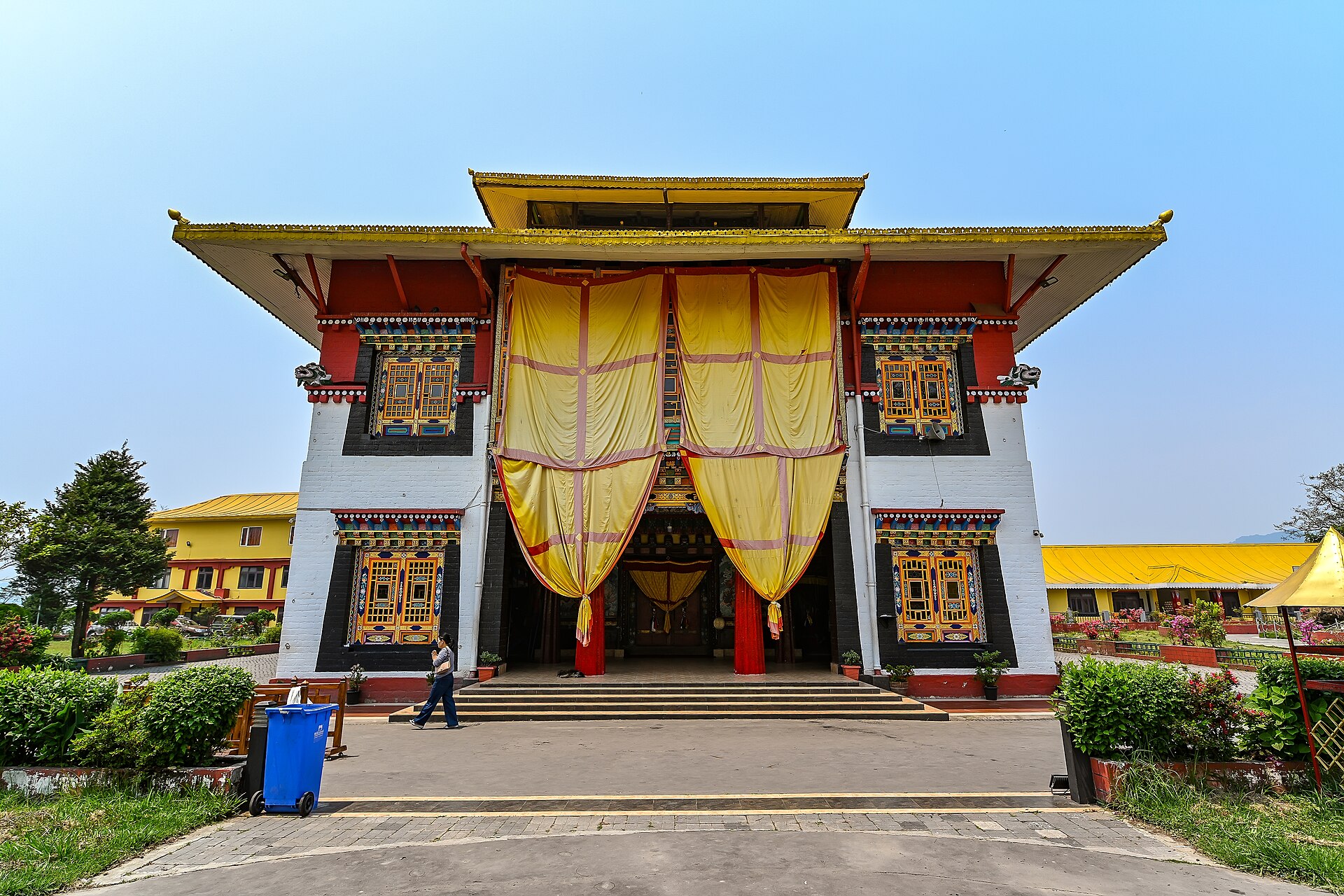
- Tsuklakhang Palace, Gangtok – in Gangtok itself, the easiest venue to reach and the one most often covered in the news.
- Old Rumtek Monastery – not to be confused with the larger Rumtek Dharma Chakra Centre nearby; see our Rumtek Monastery guide.
- Phodong Monastery – in North Sikkim.
Other monasteries hold their own end-of-year dances too. An older UNI news report from December 2007, for example, described monks at Enchey Monastery in Gangtok performing Kagyed masked dances as part of the Guru Dragmar puja that opened that year's week-long Losoong celebrations. Schedules vary by monastery and by year, so confirm locally before travelling.
What happens on the day
Based on reports from recent years, a typical Kagyed Dance day looks like this:
- Prayers and chanting by the monks, often continuing from rituals held in the days before.
- Masked dances in the courtyard, in a fixed sequence, accompanied by long horns, drums and cymbals.
- Offerings and blessings for protection, health and prosperity.
- Burning of effigies made of flour, wood and paper at the end, symbolising the destruction of evil and a fresh start.
The dances can go on for several hours. Crowds build up through the morning, especially at Tsuklakhang, so arriving early helps if you want a spot with a view.
Good to know before you go
- It's a religious ceremony, not a show. Dress modestly, keep your voice down, and never walk across the dance area.
- Photography: rules vary between monasteries and inside shrine rooms. Look for signs or ask a monk or volunteer before taking photos, and don't use flash on the dancers.
- Respect the effigy burning. Keep a safe distance and follow any instructions from the monastery.
- Dress warmly. December mornings in Gangtok are cold, and you may be standing outdoors for hours. Phodong, further north, can be colder still.
- Plan your transport. December is a busy holiday period in Sikkim. Check road status before heading to Phodong or Rumtek, and book a cab in advance if you are coming from Siliguri or Bagdogra.
A short note on history
Masked dances have been part of Sikkim's monastic life for generations. The Government of Sikkim's art and culture page traces the costume of the chaam dancers to a legend in which Lama Pal Dorje killed an apostate king who had persecuted the monasteries, and says the dancer's robe is said to resemble the one the lama wore.
Whether you come for the faith, the culture or the photographs, Kagyed Dance is one of the best ways to see Sikkim's Buddhist traditions up close. Pair it with Losoong, and December becomes one of the most colourful months to be in Gangtok. For more ideas, see our trip planner.
Sources
- Sikkim celebrates Kagyed dance festival, CM Tamang extends greetings (Sentinel Assam / IANS, 30 Dec 2024)
- Sikkim Celebrates Kagyad Dance Festival At Tsuklakhang Palace, Gangtok (Northeast Live, 29 Dec 2024)
- Sikkim's Kagyed Dance Festival: A winter spectacle of faith, harmony & resilience (The Assam Tribune, 29 Dec 2024)
- Art and Culture – Government of Sikkim
- Governor's greetings on Losoong and Namsoong, 19 Dec 2025 (Lok Bhavan / Raj Bhavan Sikkim)
- Masked dances usher in week-long festivities in Sikkim (Oneindia / UNI, 7 Dec 2007)
Photo credits
- Cover photo: Rajani Gairshail / Wikimedia Commons, CC BY-SA 4.0 (source)
- Photo 1: Anjan Kumar Kundu / Wikimedia Commons, CC BY 4.0 (source)

