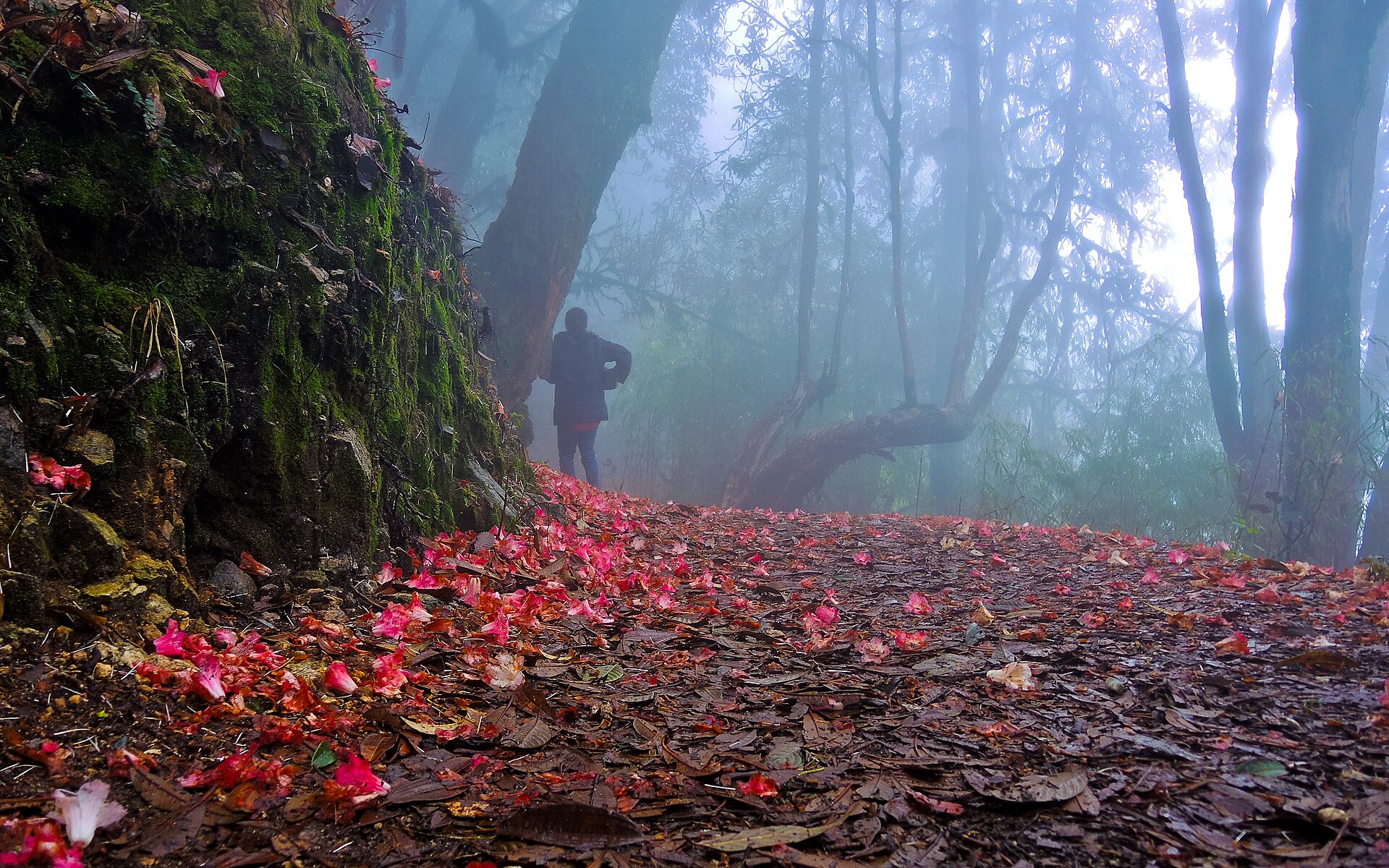
Barsey (also spelt Varsey) Rhododendron Sanctuary is a protected forest of about 104 sq km on the Singalila range in Soreng district, in Sikkim's south-west. Most visitors walk in from the village of Hilley. According to the Soreng district administration, the trail into the sanctuary is almost 5 km long. The big draw is the rhododendron bloom. A 2026 research paper co-written by a Sikkim Forest and Environment Department scientist gives the flowering season as February to May. The district's own tourism page names March and April as the best time, when the rhododendrons are in full bloom.
If you are planning for spring 2027, now is a good time to start: decide your entry point, line up a homestay, and make sure you know which permits apply to you. This guide covers all of that, using official and published sources.
What makes Barsey special
Barsey was declared a protected area on 8 June 1996 under the Wildlife (Protection) Act, 1972, to conserve its rhododendron forests. This is according to the paper by Gurung, Bhutia, Sen and Basnett, published in Sibbaldia (Royal Botanic Garden Edinburgh) in 2026. The sanctuary rises from roughly 2,200 m to 4,100 m above sea level. It forms a corridor between the Khangchendzonga Biosphere Reserve to the north and Singalila National Park in West Bengal to the south, with the Singalila ridge and the Nepal border on its western side.
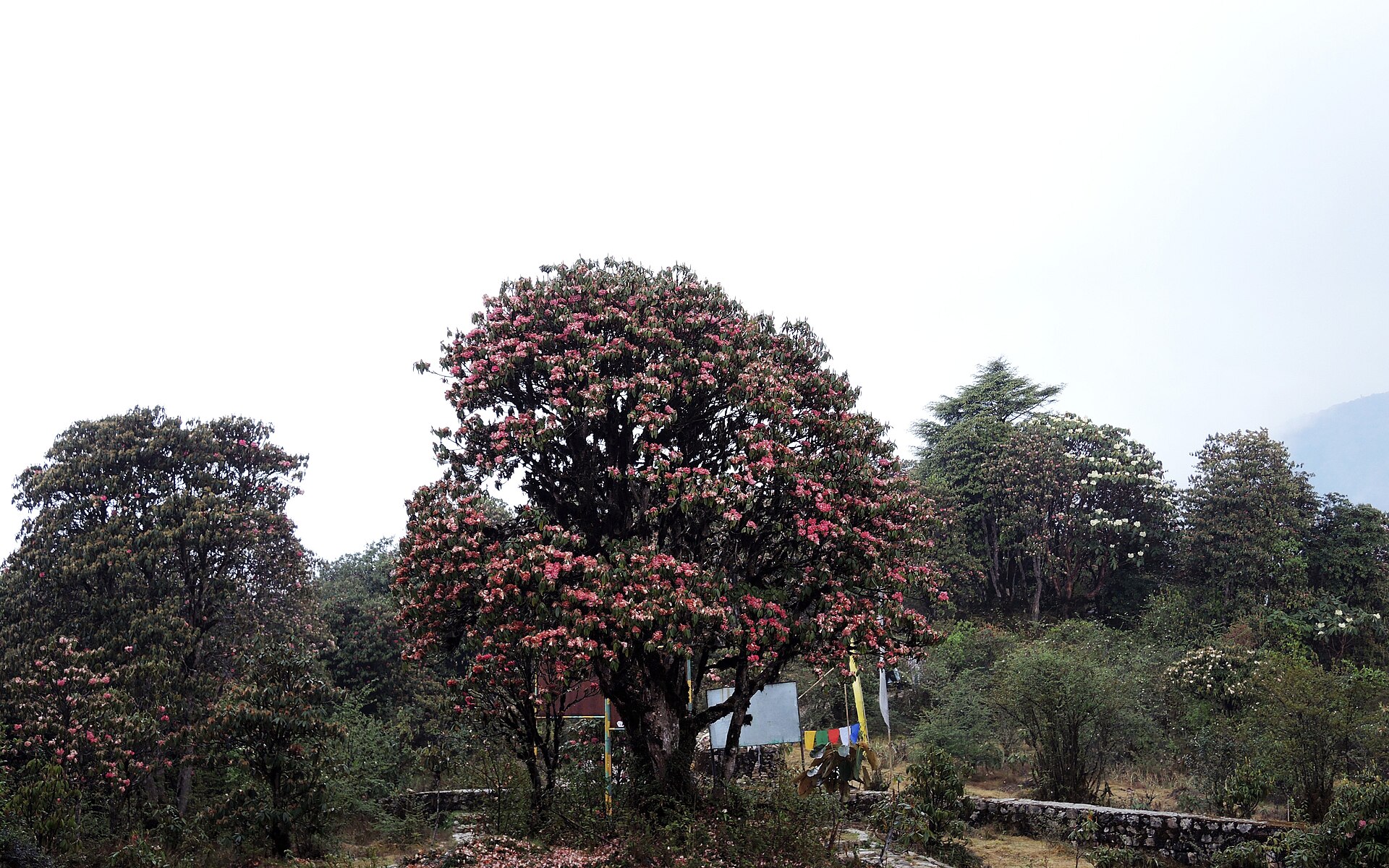
The same paper records 24 rhododendron species from Barsey. Some of the commonest trees are Rhododendron arboreum, with its deep red flowers, R. falconeri and R. grande. These grow alongside oaks, stone oak, silver fir, hemlock and thickets of maling bamboo. That bamboo-and-rhododendron understorey is described as key habitat for the red panda, Sikkim's state animal.
A forest that came back
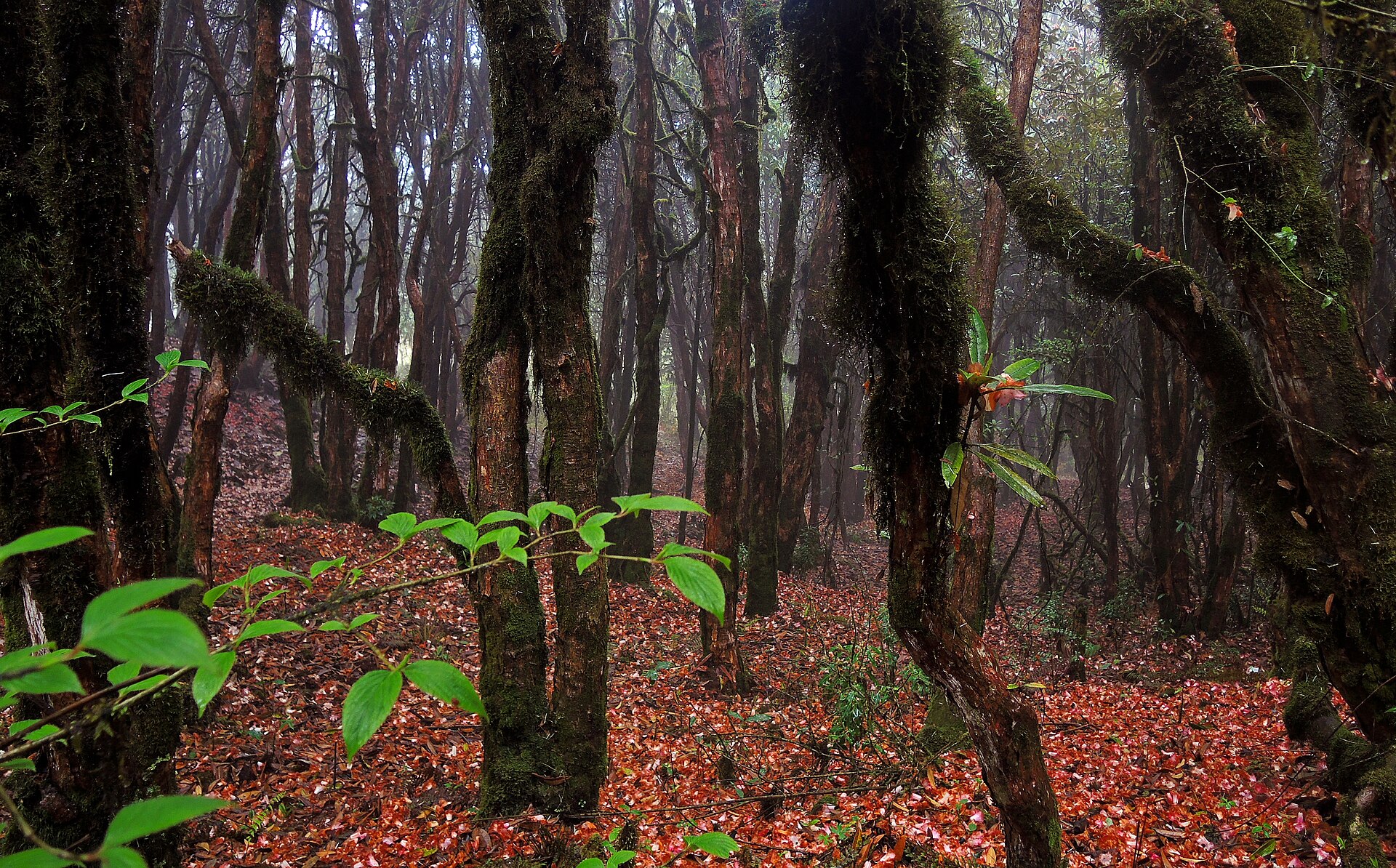
Barsey is also a conservation story. Before the sanctuary existed, the paper says, its forests were heavily felled for firewood and fodder. Hundreds of cattle sheds inside the forest left patches of land bare. In 1998 the Government of Sikkim adopted a grazing-ban policy for reserve forests, and by 2004 the cattle sheds had been removed from Barsey. Eco-Development Committees bringing in village elders, panchayats, NGOs and teachers were set up from 2001.
The authors report forest regeneration, the return of medicinal plants and mushrooms, and revived mountain springs that now supply drinking water to nearby villages since the ban. About 30 villages surround the sanctuary, home to Lepcha, Bhutia and Nepali communities. Many of them now earn from homestays, guiding and portering during the flowering season.
Wildlife and birds
The Sibbaldia paper notes that Barsey is recognised as an Important Bird Area. Rhododendron flowers attract nectar-feeding birds such as Mrs Gould's sunbird, fire-tailed myzornis, rufous sibia and several yuhinas. Camera traps and sightings have recorded the common leopard, leopard cat, Himalayan black bear, barking deer, Himalayan goral and yellow-throated marten.
The bamboo thickets at Hilley matter for birdwatchers too. In 2019 EastMojo reported that the Sikkim Ornithological Society and other groups asked the local MLA to move a proposed parking-lot project away from Hilley. They wanted to protect the habitat of the great parrotbill, a bird they said breeds in the bamboo there. The same report says black-throated, brown and fulvous parrotbills are also found around Hilley.
How to reach Barsey
Entry points
The sanctuary has several entry points. Hilley is the most visited, and the bridle trail from Hilley to Barsey is the favourite route during bloom season, according to the Sibbaldia paper. The paper also names Okhrey and Dentam among the villages on the sanctuary's fringe that host visitors.
Getting to Hilley
- By air: Bagdogra airport near Siliguri is the nearest. The Soreng district page puts it at about 125–130 km from Barsey.
- By train: New Jalpaiguri (NJP) is the nearest railway station.
- From Gangtok: about 4–5 hours by road, according to the district page.
Hire a vehicle to Hilley, then walk in. You can find shared and reserved vehicles on our cabs page. Mountain roads in Sikkim can be affected by landslides and weather, so check the latest on our road status page before you set out.
The walk from Hilley
The district page describes the trail as almost 5 km from Hilley. India Today NE described the Hilley–Barsey walk in April 2025 as about 4–5 km and easy enough for beginners, through pine and oak forest, with views of Khangchendzonga at the end on clear days.
When to go
- Rhododendron bloom: February to May overall (Sibbaldia paper), with March–April named as the best time by the Soreng district administration. Exact timing shifts with altitude and with each year's weather.
- Clear mountain views: India Today NE notes that September and October bring clearer skies and views of Khangchendzonga, without the spring crowds.
- Crowds: the paper says the sanctuary now gets several thousand visitors a year, mostly from February to May along the Hilley–Barsey trail. Weekdays are likely to be quieter.
The flowering season also overlaps with Ram Navami, known locally as Chaite Dashain. During this festival, families from nearby villages visit sacred forest patches and offer rhododendron flowers at shrines.
Before you go
- Sanctuary permit: the Soreng district page says visitors need a permit from the forest check post to enter the sanctuary. India Today NE also reports that trekkers need permits and that the Forest Department has tightened rules on litter and group sizes. We could not find an official fee, so ask at the check post or with the Forest Department.
- Foreign nationals: according to the district page, foreign tourists need an Inner Line Permit or Restricted Area Permit to enter Sikkim, issued at the Melli check post. Confirm current rules before you travel.
- Camping: camping inside the sanctuary needs prior permission from the Forest Department's wildlife wing. The 2026 paper recommends limiting camping to designated sites outside the core area, so don't assume you can pitch a tent anywhere.
- Don't pick flowers: the district page says plucking flowers in the sanctuary is not allowed.
- Rhododendron drinks: homestays around Barsey sometimes serve rhododendron juice, wine or flower infusions. The paper cautions that some rhododendron species contain grayanotoxins, which can cause intoxication. Stick to drinks from people who know which species they use.
- Carry: layers and rain protection (the paper gives annual rainfall of 200–350 cm), sturdy shoes, water, and a bag to carry your rubbish back out.
- Stay: the district page lists homestays around Barsey and suggests activities such as birdwatching, village walks and hiking. Homestays in Hilley and Okhrey make good bases.
For more trip ideas around West and South Sikkim, see our trip planner.
Permit rules, fees and road conditions change. The details here are from the sources listed below as of November 2026. Please confirm with the Soreng district administration or the Sikkim Forest and Environment Department before you travel.
Sources
- Barsey Rhododendron Sanctuary – Website of Soreng District, Govt of Sikkim
- Barsey Rhododendron Sanctuary: a model for preserving Himalayan biodiversity and nature-based tourism (Sibbaldia, 2026)
- Tourists flock to Barsey Rhododendron Sanctuary as Sikkim's blossoming gem attracts nature lovers – India Today NE
- Sikkim groups approach minister to save great parrotbill habitat – EastMojo
- Barsey Rhododendron Sanctuary – Key Biodiversity Areas factsheet
Photo credits
- Cover photo: Spattadar / Wikimedia Commons, CC BY-SA 4.0 (source)
- Photo 1: Spattadar / Wikimedia Commons, CC BY-SA 4.0 (source)
- Photo 2: Spattadar / Wikimedia Commons, CC BY-SA 4.0 (source)


